The traditional desk setup is hitting its physical limits. For decades, increasing digital productivity meant buying larger physical monitors, faster laptops, and ergonomic keyboards. However, the convergence of advanced wearable hardware and spatial computing is introducing a borderless alternative: the MetaWear Ecosystem.
By syncing intelligent wrist and finger sensors with augmented reality (AR) glasses, professionals can now deploy a multi-screen workstation anywhere in the world—completely untethered from physical hardware constraints.
The Architecture of a Spatial Workspace
| Wearable Layer | Device Example | Role in Productivity |
|---|---|---|
| Visual Canvas (AR) | XREAL Air 2 Ultra / Apple Vision Pro | Projects unlimited, floating high-definition virtual monitors. |
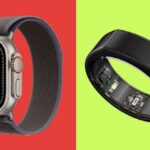
| Gesture Control | Premium Smartwatches / Bio-Rings | Tracks subtle finger pinches and hand waves to navigate menus. |
| Biometric Management | Oura Ring / Fitness Trackers | Monitors cognitive fatigue and stress to optimize break intervals. |
Breaking Down the MetaWear Productivity Workflow
1. The Death of the Physical Monitor
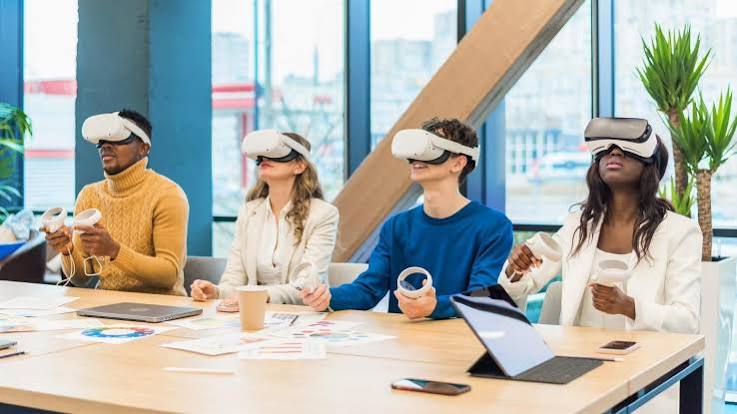
Carrying multiple screens during business travel used to be impossible. With modern AR glasses integrated into your wearable setup, you can project a massive triple-monitor arrangement directly in front of your eyes while sitting on a flight or working from a local coffee shop. These virtual windows stay securely locked in space, ensuring crisp text readability for coding, writing, or data analysis.
2. Invisible Control via Hand Gestures
Reaching for a mouse or trackpad disrupts the fluid nature of spatial computing. The future of work relies on wearable controllers worn on the hand. By utilizing the gyroscope and biometric sensors inside an intelligent watch or ring, you can scroll through dense spreadsheets, snap windows to the side, or minimize applications with tiny, discreet finger movements without lifting your arm.
3. Data Privacy in Public Spaces
One of the biggest security challenges for remote executives is visual hacking—strangers looking at confidential corporate data on a laptop screen in public. The MetaWear ecosystem solves this natively. Because the entire desktop environment is projected directly onto the user’s retinas inside the glasses, your work remains 100% invisible to everyone else in the room.
The B2B Financial Advantage: Why Companies are Investing
- Reduced Hardware Costs: Replacing expensive physical office setups with a single, portable spatial computing kit.
- Enhanced Employee Ergonomics: Virtual screens can be positioned at perfect eye level, reducing the neck and back strain caused by looking down at traditional laptops.
- Global Collaboration: Teams can meet in digital environments as lifelike 3D avatars, sharing interactive data models as if they were sitting in the exact same boardroom.