The Next Evolution of Wearable Technology
For years, smartwatches and fitness bands have helped us track steps, monitor heart rates, and improve our workouts. But the next major breakthrough in wearable technology may not be something we wear on our wrists—it could be the clothes we wear every day.
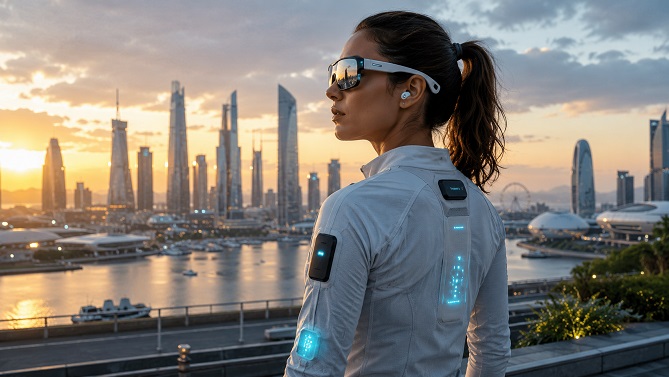
Advances in artificial intelligence, biometric sensors, and intelligent textiles are creating a new generation of smart clothing capable of continuously monitoring our health. Some of these garments can already detect irregular heart activity, respiratory issues, and other physiological changes that may indicate health problems before symptoms become noticeable.
This technology has the potential to transform preventive healthcare and redefine the future of wearable devices.
What Is AI-Powered Smart Clothing?
Smart clothing combines advanced textiles with embedded sensors that collect biometric data while remaining comfortable and lightweight.
These garments can monitor:
- Heart rate
- Body temperature
- Blood oxygen levels
- Breathing patterns
- Sleep quality
- Stress levels
- Muscle activity
- Physical performance
Unlike traditional wearables, smart clothing can gather data from a much larger area of the body, providing more accurate insights and continuous monitoring throughout the day.
How Artificial Intelligence Detects Health Risks
The true innovation behind smart clothing lies in the use of artificial intelligence.
AI algorithms analyze thousands of biometric data points in real time, searching for unusual patterns that may indicate health concerns.
Early Detection of Heart Conditions
Changes in heart rhythm, heart rate variability, and cardiovascular performance can signal potential heart issues long before symptoms become apparent.
Monitoring Respiratory Health
Smart garments equipped with breathing sensors can identify abnormal respiratory patterns that may indicate infections, sleep disorders, or lung-related conditions.
Stress and Mental Wellness Tracking
By analyzing physiological signals such as heart rate variability and skin temperature, AI can detect signs of chronic stress, fatigue, and anxiety.
Injury Prevention for Athletes
Professional athletes are already using smart apparel to monitor muscle performance, movement efficiency, and recovery levels to reduce the risk of injuries.
Companies Leading the Smart Clothing Revolution
Several innovative companies are driving the future of intelligent textiles and wearable technology.
Some of the most recognized names include:
- Hexoskin
- Myant
- Sensoria
- OMsignal
- Wearable X
These companies are developing shirts, sportswear, and connected garments capable of delivering medical-grade insights without compromising comfort or style.
The Future of Healthcare Could Be Woven Into Fabric
Researchers believe that future smart clothing may perform functions currently reserved for specialized medical equipment.
Emerging technologies include:
- Non-invasive glucose monitoring
- Continuous blood pressure tracking
- Early disease detection through biomarkers
- Remote patient monitoring
- Seizure prediction systems
- Personalized health recommendations powered by AI
As these technologies mature, smart clothing could become one of the most valuable tools in preventive medicine.
Privacy Challenges and Ethical Considerations
While the benefits of AI-powered clothing are enormous, the technology also raises important questions about data privacy and security.
Future smart garments will collect highly sensitive health information, making data protection a critical concern.
Manufacturers, healthcare providers, and regulators must work together to ensure that personal health data remains secure, private, and under the user’s control.
Conclusion
The combination of artificial intelligence, biometric sensors, and intelligent textiles is creating a new era of wearable technology. Smart clothing is rapidly evolving from a futuristic concept into a practical reality with the potential to improve health, enhance athletic performance, and even save lives.
In the coming years, your shirt may do much more than keep you comfortable—it could become your personal health assistant, constantly working in the background to help you stay healthier and detect problems before they become serious.